Frozen Storage in Saudi Arabia: A 2026 Guide to Protecting Temperature-Sensitive Goods
Keeping products cold in a country where summer temperatures routinely pass 45°C is not a luxury — it is a survival requirement for any business that handles perishables. Reliable Frozen Storage in Saudi Arabia protects food, pharmaceuticals, and other sensitive inventory from spoilage, regulatory penalties, and costly waste. In 2026, with the Kingdom’s logistics sector expanding under Vision 2030, understanding how modern cold storage actually works has never mattered more.
This guide breaks down what frozen storage involves, how it differs from other temperature tiers, what to look for in a provider, and the practical steps to keep your cold chain unbroken from receiving dock to final delivery.
Why Frozen Storage Matters More Than Ever in 2026
Demand for temperature-controlled warehousing across the Gulf keeps climbing. Population growth, e-commerce grocery delivery, and a maturing pharmaceutical distribution network all push companies toward professional cold storage rather than makeshift freezer rooms.
A single temperature excursion can ruin an entire pallet. Frozen goods that partially thaw and refreeze develop ice crystals, texture damage, and bacterial risk — problems that are invisible until a customer complains or an inspector flags them. Investing in proper infrastructure early is far cheaper than absorbing recalls later.
The real cost of a broken cold chain
Beyond the lost product, a lapse can trigger fines, delisting by retail partners, and reputational damage. For food specifically, the Saudi Food and Drug Authority enforces strict handling rules, and non-compliance can halt distribution entirely. You can review the regulator’s mandate directly at the Saudi Food and Drug Authority.
Frozen vs. Chilled vs. Ambient: Choosing the Right Temperature Tier
Not every product needs to be frozen solid. Matching goods to the correct tier saves energy and preserves quality. The table below compares the three most common storage bands used across Saudi facilities.
| Storage Type | Typical Temperature | Best For | Max Practical Shelf Life |
|---|---|---|---|
| Frozen | -18°C to -25°C | Meat, seafood, ice cream, frozen vegetables | 6–18 months |
| Chilled | 0°C to +5°C | Dairy, fresh produce, vaccines | Days to a few weeks |
| Ambient | +15°C to +25°C | Canned goods, dry staples, electronics | Months to years |
Sensitive non-food inventory often needs its own climate logic too. Humidity and heat degrade circuit boards and batteries, which is why dedicated Storage for Electronics & Smart Devices uses controlled humidity and anti-static handling rather than deep-freeze conditions.
What Separates a Professional Frozen Storage Facility?
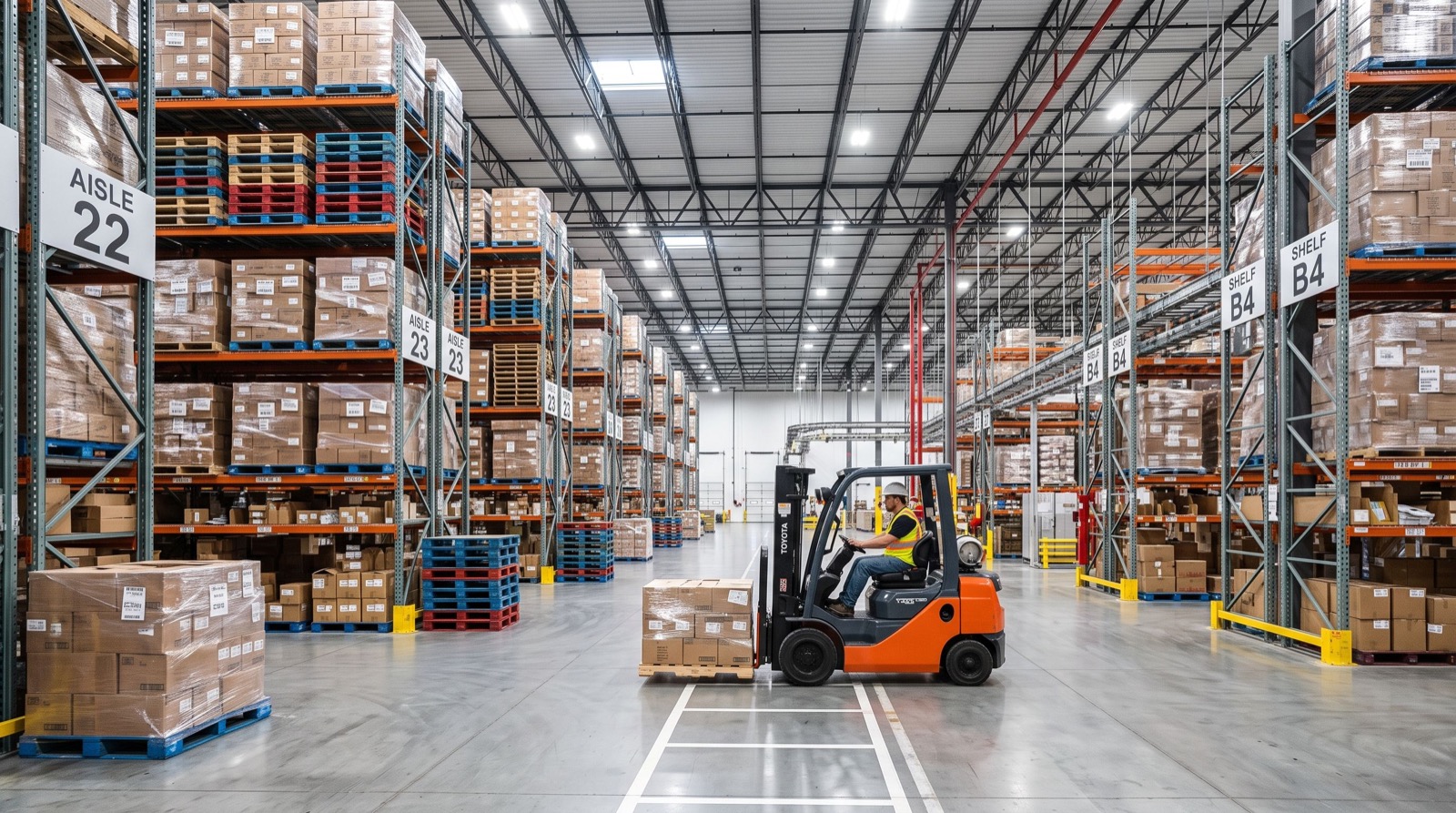
Freezer capacity alone does not make a warehouse trustworthy. When you tour or shortlist facilities, weigh these features:
- Redundant refrigeration — backup compressors and generators so a single failure never thaws your stock.
- 24/7 temperature monitoring with automated alerts and digital logging for audit trails.
- Zoned chambers that keep strong-smelling items (like seafood) isolated from odour-absorbing goods.
- Fast in-and-out docks with air curtains or sealed loading bays to prevent warm-air ingress.
- Trained staff who understand FIFO rotation and safe handling of frozen pallets.
Documentation is just as important as hardware. A facility that hands you clean temperature logs and clear SLAs is signalling the kind of operational discipline that separates genuine quality service providers from warehouses that merely rent out cold space.
How Do You Keep the Cold Chain Unbroken?
The cold chain is only as strong as its weakest link. Here is a practical sequence that disciplined operators follow every day:
- Pre-cool transport before loading — never place frozen goods into a warm trailer.
- Inspect and record product temperature at the receiving dock, rejecting anything outside spec.
- Move fast from dock to chamber; minutes of exposure add up over a full pallet.
- Log continuously using data loggers that travel with the shipment, not just fixed sensors.
- Audit monthly by pulling temperature reports and investigating any anomaly, however small.
One original tip from experienced operators: map your “thermal hotspots.” Every freezer has corners near doors or compressors that drift a few degrees. Store your most sensitive SKUs in the most stable zones, not simply wherever a forklift lands them.
Energy efficiency is a 2026 priority
Refrigeration is energy-hungry, and Saudi facilities increasingly adopt efficiency measures to cut both cost and emissions. Global guidance from the Food and Agriculture Organization highlights that reducing cold-chain losses also fights food waste — a win for margins and sustainability alike. Expect to see more LED-lit chambers, variable-speed compressors, and solar-assisted cooling across the Kingdom this year.
Matching Storage Strategy to Your Business
A small restaurant group, a national frozen-food importer, and a pharmaceutical distributor all need frozen storage — but their priorities differ. The importer cares about pallet throughput and port proximity; the pharmacy cares about validation and compliance paperwork; the restaurant group cares about flexible short-term capacity near its outlets.
Before signing any contract, write down your non-negotiables: temperature range, volume peaks, delivery frequency, and compliance needs. That short list makes comparing providers dramatically easier and prevents you from overpaying for capacity you will not use.
Industries That Depend on Frozen Storage
Frozen storage is not a niche service — it quietly supports a wide range of sectors across the Kingdom. Food importers rely on it to bring in seafood, meat, and frozen produce that simply cannot be grown or caught at the volumes the market demands. Restaurant chains use it to buy seasonal ingredients in bulk and smooth out price volatility.
Pharmaceutical and biotech firms depend on deep-freeze chambers for certain vaccines, biological samples, and reagents that lose all value above specific thresholds. Even catering companies serving large events book frozen capacity to prepare and hold meals safely at scale.
What unites these sectors is a shared intolerance for error. A frozen storage partner that understands the compliance and documentation needs of each industry — rather than treating every pallet identically — delivers far more value than a generic cold warehouse. Ask any prospective provider which sectors they already serve; experience with your category usually translates into fewer surprises.
Frequently Asked Questions
What temperature is standard for frozen storage in Saudi Arabia?
Most frozen warehouses hold goods between -18°C and -25°C. Ice cream and some seafood may require the colder end, while general frozen foods are stable around -18°C. Always confirm the specific range your product category demands.
How is frozen storage different from chilled storage?
Frozen storage keeps products solidly below freezing (around -18°C and lower) for long-term preservation, while chilled storage holds items just above freezing (0°C to +5°C) for fresh goods like dairy and produce that must not freeze.
Can I store electronics in a frozen warehouse?
No. Electronics and smart devices need humidity-controlled, anti-static environments rather than deep-freeze conditions. Freezing can cause condensation and battery damage, so they belong in dedicated specialist storage.
What happens if the temperature rises during a power cut?
A professional facility runs backup generators and redundant compressors so chambers stay cold. If an excursion does occur, data loggers capture it, and the provider should quarantine affected stock and notify you immediately.
Conclusion
Dependable Frozen Storage in Saudi Arabia is the backbone of any temperature-sensitive supply chain — protecting product quality, meeting 2026 regulatory standards, and preventing expensive waste. Match each product to the right temperature tier, insist on redundancy and real monitoring, and treat the cold chain as a continuous discipline rather than a one-time setup. If you are evaluating a frozen storage partner this year, start with their compliance records and temperature logs, then build your contract around your real volume and delivery patterns.